Gaming is in my DNA: a science teacher’s gaming evolution
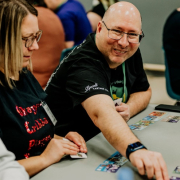
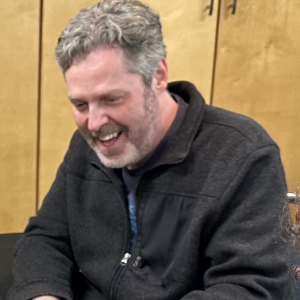 Mick Rissling is not only one of the main organizers for our ChewsDay Challenge game nights, he’s also a high school science teacher – and he’s very fond of combining work and pleasure by playing (and often teaching) science-based board games. Here are Mick’s reflections on the “evolution” of his gaming habits.
As long as I can remember, I have always loved games. I played all the games kids my age played: Monopoly; Sorry; card games like Go Fish and Old Maid. Friendships were tested with Risk and Axis & Allies. I started playing Dungeons & Dragons at 10 years old; started running my own games a year or two later; and made my own roleplaying game at 14. When Magic: The Gathering came on the scene, my friends and I played for several years. I l played a lot of video games, too.
Although I still indulge in video games a few times a year, my real gaming passion is board and card games. Hobby games, strategy games – call them whatever you want. My wife Elaine and I enjoy the hobby together, and there isn’t a game we won’t try. We have enjoyed everything from light trick-taking games to the intricate clockwork mechanisms from some of today’s leading game designers. I also like more traditional card games, like cribbage and poker.
I have been teaching senior sciences for almost 20 years in Regina. I have always been keenly interested in science, and though it took me a while to figure out the teacher part, I now can’t easily imagine doing anything else. I gradually discovered a common thread among these three interests of gaming, science, and teaching: the core activity of each is learning.
I like to learn; it gives me pleasure to know more about something than I used to. It has its pitfalls – going down Wikipedia rabbit holes for hours, or my brother thinking I was crazy when I read the manual while he booted up the new Atari game. I still read the manuals – it’s the first thing out of the board game box! And now, I get to mingle my interests with opportunities to share what I have learned with others, either through my day job or teaching a new board game!
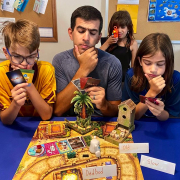
I make an effort to gamify some of my lessons in my classroom. We might play a worker placement cell biology game, follow the periodic table in a set collection game, or play as Einstein working on his theories in a tile placement game. Playing games with students reinforces their learning in a non-traditional way that students really respond to.
And it seems I am not alone. Teacher workshops are suggesting using “breakout lessons” to make escape room-like experiences in the class to enhance learning. And there is at least one company, Genius Games, that specializes in science games, which go well beyond a pasted-on “science” theme.
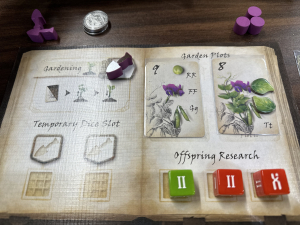 All of their games, such as Genotype: A Mendelian Genetics Game, come with explanations of the science behind the game and the game decisions they made to represent it. I recommend starting with a look at some of their games if this intersection of science and gaming interests you as much as it does me!
Curious to learn more about science-based games and/or the use of games in the classroom? Feel free to send in your questions, and watch for more content from Mick in future issues!